
What is Heating Oil? Is It the Right Choice for Your Home?
November 11, 2025
TL;DR: What is heating oil, and is it still a good choice for your home?
Heating oil is a simple, steady way to keep your home warm. It suits areas without gas lines and delivers strong, reliable heat through winter. The system is easy to maintain and works for many home types and budgets.
Here’s what you’ll learn in this guide:
- How oil for heating works and what makes it efficient
- The pros and cons of using heating oil at home
- Key heating oil safety tips for families and pets
- What to expect from an oil tank installation and maintenance
- When to keep oil and when to explore other heating options
Heating oil stays a trusted choice for comfort, safety, and value.
———————
Curious about heating oil and why so many homes still use it? This fuel delivers steady warmth, simple upkeep, and familiar comfort. You’ll see how oil for heating works, when it suits your home, and how to use it safely and efficiently.
You’ll also find simple heating oil safety tips and a clear overview of oil tank installation.
How Heating Oil Works and What You Get from It
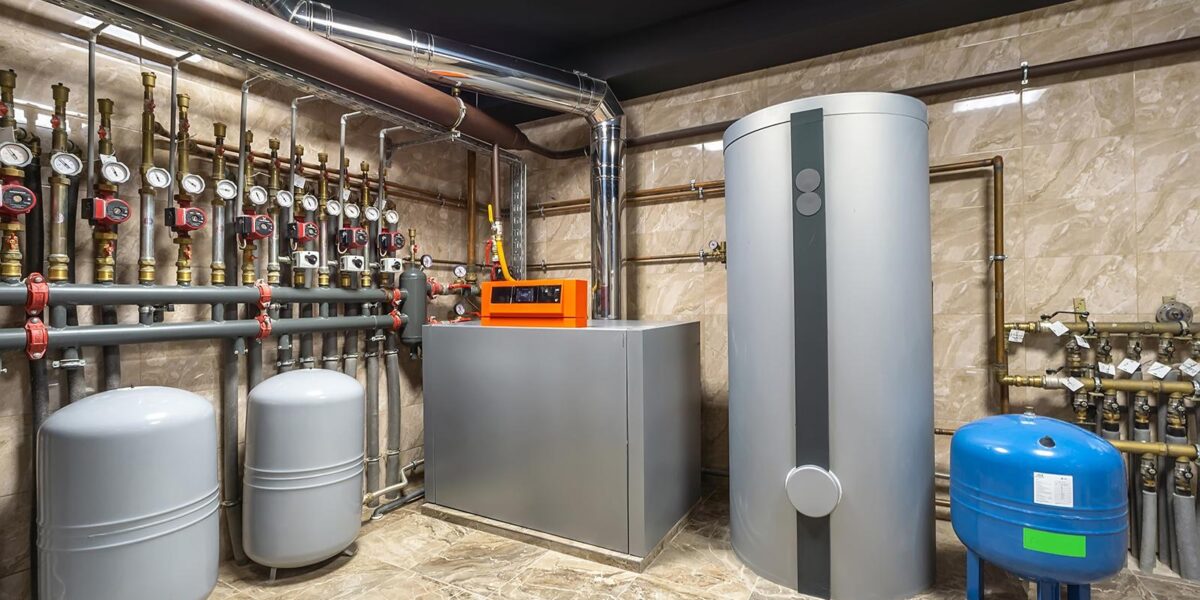
Picture a full tank, a quiet burner, and a steady flow of warm air from the vents. Fuel moves from the tank to the burner, mixes with air, and ignites. A metal heat exchanger absorbs that heat and sends warm air or hot water through ducts or radiators. The result is fast, strong heat when outdoor temperatures drop.
What Heating Oil Is Made of and the Types You Can Buy
Heating oil is a refined fuel similar to diesel but made for home heating systems. Many suppliers now offer low-sulphur blends that burn cleaner and reduce soot buildup. Some also provide Bioheat, which mixes standard fuel with a small amount of biodiesel. These blends help lower emissions without needing a whole new system.
How Oil for Heating Moves from Tank to Burner to Warm Air
Fuel travels from the tank through a line, then passes a small filter before it reaches the burner. A pump then pushes fuel to the burner at the right pressure. The burner turns the oil into a fine mist, the mist ignites, and the flame heats the exchanger. Warm air or water then travels to each room in your home.
Pros and Cons at a Glance
Heating oil has clear benefits. Many owners like the strong, cozy heat and quick recovery after doors open or cold air blows in. Local delivery makes heating oil easy to manage. However, fuel prices change, and tanks take up space.
Is Heating Oil the Right Choice for Your New Jersey Home?
Start by looking at what you already have. If your home has an oil boiler or furnace in good condition, staying with heating oil can be cost effective. Many rural and coastal areas do not have gas lines, so oil stays the practical choice. Good insulation and quality windows help you use less fuel and stay warm through winter.
Compare Costs and Comfort: Oil vs Gas, Propane, and Electric
Heating oil feels warmer because it blows higher-temperature air than electric systems. Natural gas furnaces can offer similar comfort where gas service is available. Propane provides a gas style system in places without mains gas.
Electric heat pumps work well in mild weather and cool the home in summer. In very cold spells, many houses switch back to oil for stronger heat.
When Heating Oil Makes Sense for You
Heating oil is a good fit for homes that already have a tank and working boiler or furnace. It also suits homes without gas lines or where new wiring would cost too much. In areas that see heavy snow and long cold spells, many owners trust their oil system to keep steady warmth. Good insulation and a serviced system help you stay warm and save money.
When to Skip It and What to Consider Instead
Gas is worth a close look if lines already run along your street. Connecting to an existing gas main can remove the need for deliveries and storage. High-efficiency gas furnaces may qualify for rebates that help with installation costs.
Heat pumps are another option for people who want lower direct emissions or plan to add solar panels. A trusted local contractor can explain which system mix works best for your home.
Heating Oil Safety and Oil Tank Installation Basics in NJ
Heating oil is stable and does not explode, which reassures many homeowners. Even so, leaks and strong smells need fast attention. Regular inspections help spot rust, staining, or damp patches around the tank or lines. For any new tank project, size and location matter, and New Jersey rules guide how the work is done.
Heating Oil Safety Tips for Families and Pets
Simple habits go a long way to keep heating systems safe. Keep the area around the boiler and tank clear so air can move. Test smoke and carbon monoxide alarms often.
Teach children not to touch valves, pipes, or gauges. If you spot stains, smell oil, or hear odd noises from the burner, call a technician straight away.
Oil Tank Install Options: Basement, Outside, or Underground
Each tank choice has pros and cons. Basement tanks stay out of the weather and are easier to reach for inspection. Outdoor tanks free up indoor space and work well when they sit on a solid, level base.
Underground tanks save space but must be checked often for leaks or corrosion. Many owners now replace older underground tanks with new above-ground models.
Permits, NJ Rules, and Insurance Basics
Oil work in New Jersey usually involves local permits and inspections. Installers follow New Jersey Department of Environmental Protection guidance, especially for underground tanks. Good contractors provide written records that show tank size, materials, and protection features. Review your insurance to see what’s covered and if you can add extra tank protection.
Choosing the Right Oil Tank Partner in NJ
The right partner makes tank work simpler and safer. Choose a company that handles oil tank install work with care, from setup to safe removal. Experienced teams are familiar with local soil, weather, and permit regulations.
They also take time to explain every option in plain language. Reviews, references, and clear quotes all help you feel confident in your choice.
Staying Warm, Safe, and In Control
Heating oil is still a great choice for homes without gas or with reliable older systems. With the right care, an oil system can give strong, dependable warmth through long winters. The next step is simple. Book a safety check and review your tank’s condition.
Ready to check your tank? Book a professional oil tank assessment online or call (908) 639-3023 for a free quote.